


AI Tools for Real-Time Inventory Tracking and Optimization to Boost Efficiency in Aug 2025 Offered by Solvision
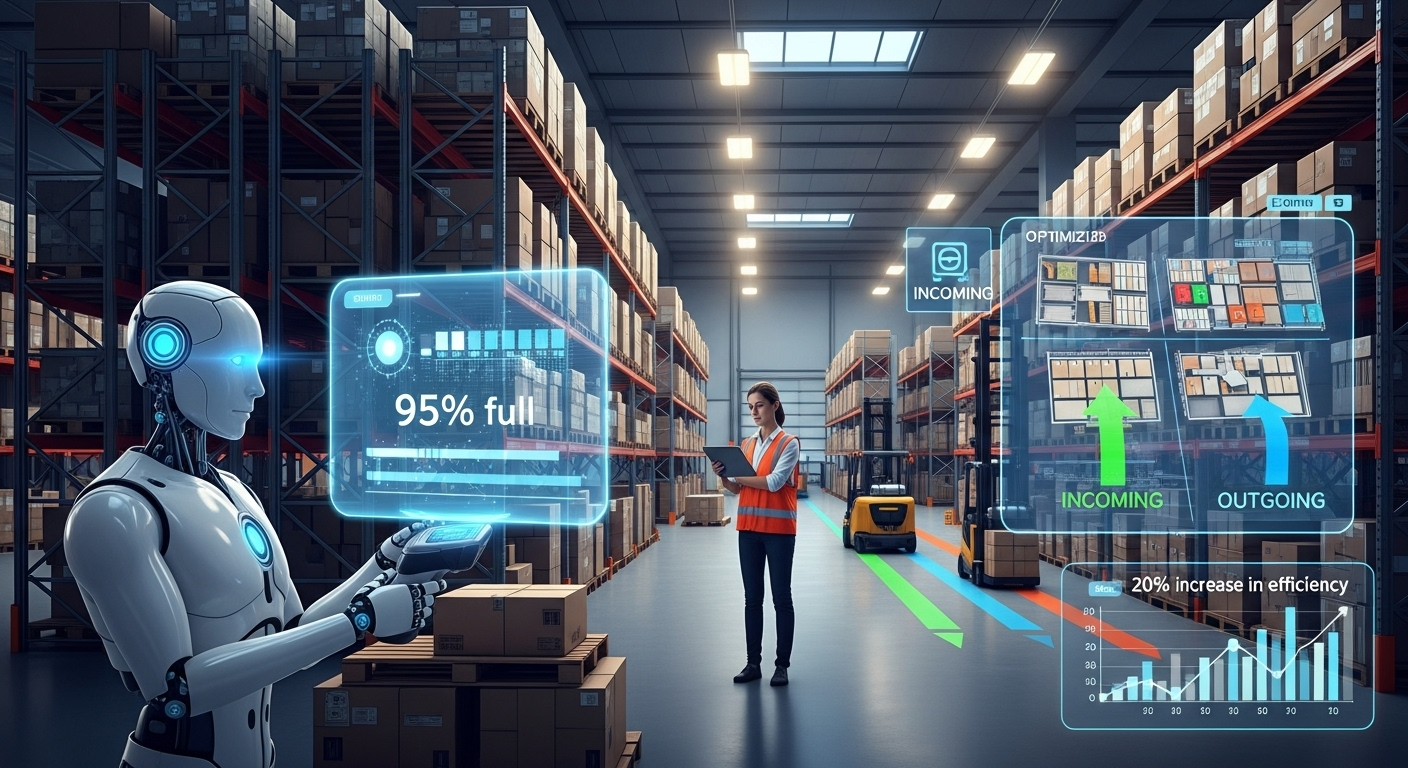
In the fast-moving world of supply chains and retail, inventory management can make or break a business. As of August 2025, the shift toward AI-powered real-time inventory tracking and optimization is rapidly redefining the efficiency benchmarks for businesses worldwide. Solvision, a leading innovator in AI-driven solutions, stands at the forefront, offering powerful, cloud-based tools that are revolutionizing how companies track, manage, and optimize inventory.
The Evolution of Inventory Management
Decades ago, inventory management was a manual, paper-based process. Human error, lack of visibility, and slow response times caused frequent stockouts, overstocking, and lost profits. The rise of digital solutions in the 2000s brought barcode scanning and basic ERP systems, but these legacy tools now struggle to keep up with today’s pace, especially in globalized, omnichannel environments.
As of August 2025, the demand for agility, real-time data, and predictive decision-making cannot be met by traditional methods. That’s where AI-powered platforms like those from Solvision come in—delivering cutting-edge, automated inventory tracking and optimization at scale.
Why Real-Time Inventory Tracking is Vital in 2025
Today’s customers expect instant service and next-day, sometimes same-day, delivery. Businesses that can’t provide up-to-date inventory data across warehouses, stores, and channels risk frustrating customers and losing sales to more agile competitors.
Real-time inventory tracking involves continuously monitoring stock levels and locations using sensors, IoT devices, smart shelves, and RFID tags connected to advanced software. This provides several key benefits in 2025:
- Instant visibility: Managers always know what’s in stock and where.
- Faster decision-making: Automated alerts and dashboards replace manual reports.
- Reduced stockouts and overstocks: Machine learning algorithms keep inventory levels optimized.
- Seamless omnichannel fulfillment: Accurate data enables reliable buy-online-pickup-in-store (BOPIS), ship-from-store, and other hybrid models.
- Proactive problem-solving: Early warnings about inventory issues, such as shrinkage or obsolete stock.
Statistics Highlighting the Importance
- According to a 2025 Gartner report, companies implementing real-time AI inventory systems reduced stockouts by an average of 54% and cut carrying costs by up to 30%.
- Solvision’s deployment data shows that clients see average demand forecast accuracy improvements of 40–60% within six months.
How AI Transforms Inventory Optimization
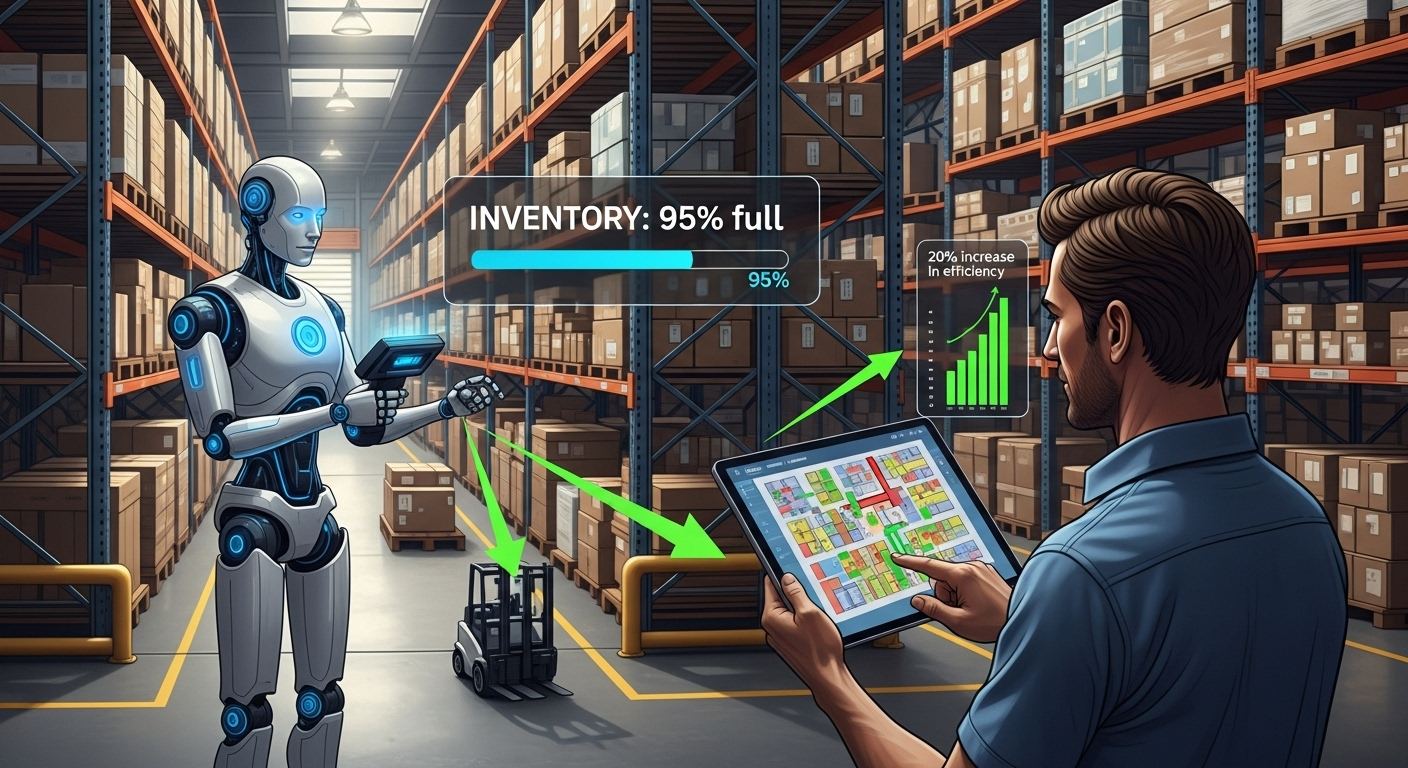
AI doesn’t just show you your current inventory; it analyzes patterns, predicts trends, and automates key tasks for ultimate efficiency. This transformation is visible across the supply chain, from raw material suppliers to last-mile delivery.
1. Predictive Analytics
AI leverages historical sales, supplier reliability, seasonal trends, weather, events, and even social sentiment to anticipate future demand. This means you can stock the right products, in the right quantities, in the right locations—boosting sales and reducing waste.
2. Dynamic Reordering
Gone are the days of static reorder points. AI assesses multiple variables in real-time—like customer demand, supply lead times, and incoming marketing campaigns—to trigger reorders when necessary, avoiding both overstocking and out-of-stock events.
3. Intelligent Automation
AI-driven platforms automate repetitive inventory tasks, including cycle counts, reconciliation, labeling, and even reporting discrepancies to management—all without human intervention.
4. Optimized Fulfillment
By constantly weighing inventory across all locations, AI helps businesses fulfill customer orders from the location that minimizes cost and shipping time, maximizing both profits and customer satisfaction.
Solvision’s AI Tools: Game-Changing Features for Real-Time Inventory Optimization
Solvision’s complete inventory management suite is reshaping the industry. Here are some of its standout features designed specifically for real-time tracking and optimization in 2025:
1. Advanced Predictive Analytics Engine
Solvision’s AI engine analyzes hundreds of internal data points (sales history, supplier performance, logistics constraints) alongside external signals (market trends, weather, economic indicators) to deliver highly accurate inventory forecasts.
- Benefits: Avoid overstock, reduce out-of-stocks, minimize markdowns.
- How it works: The engine learns continuously—improving accuracy over time.
2. Automated Reordering and Procurement
Customize reorder parameters per SKU. The system automatically generates and routes PO requests to approved vendors, considering current stock, expected demand, and supply-side risk (e.g., delayed shipments).
- Benefits: Reduced manual workload, error-free reordering, improved supplier relations.
3. Real-Time Multi-Channel Integration
Solvision consolidates inventory data from your physical stores, warehouses, e-commerce platforms, and third-party logistics partners into a single, real-time dashboard.
- Benefits: Consistent inventory data across all selling channels, seamless cross-channel fulfillment, and enhanced customer experiences.
4. Warehouse Automation and Smart Shelves
Integrating with IoT devices, smart shelves, and RFID, Solvision’s platform tracks the movement of every item, updating system data instantly as stock is picked or replenished.
- Benefits: Near-zero shrinkage, rapid replenishment, and automated discrepancy alerts.
5. Intelligent Reporting and Alerts
Custom dashboards and real-time notifications allow inventory managers to spot trends, anticipate issues, and act quickly on potential supply chain disruptions.
- Benefits: Actionable insights, improved team collaboration, and proactive issue resolution.
6. Seamless ERP, POS, and WMS Integration
Solvision’s APIs and connectors ensure that inventory data flows smoothly, updating your core ERP, POS, and warehouse management systems in real-time.
- Benefits: Minimal IT overhead, faster time-to-value, and no data silos.
7. AI-Powered Demand Sensing
Advanced algorithms tap into real-world data streams (social media, digital ads, news events, weather) to spot surging or dropping demand trends early—before your competitors.
- Benefits: Outpace rivals, capture new markets, reduce aged inventory.
Benefits of Using Solvision’s AI Solutions for Inventory Management
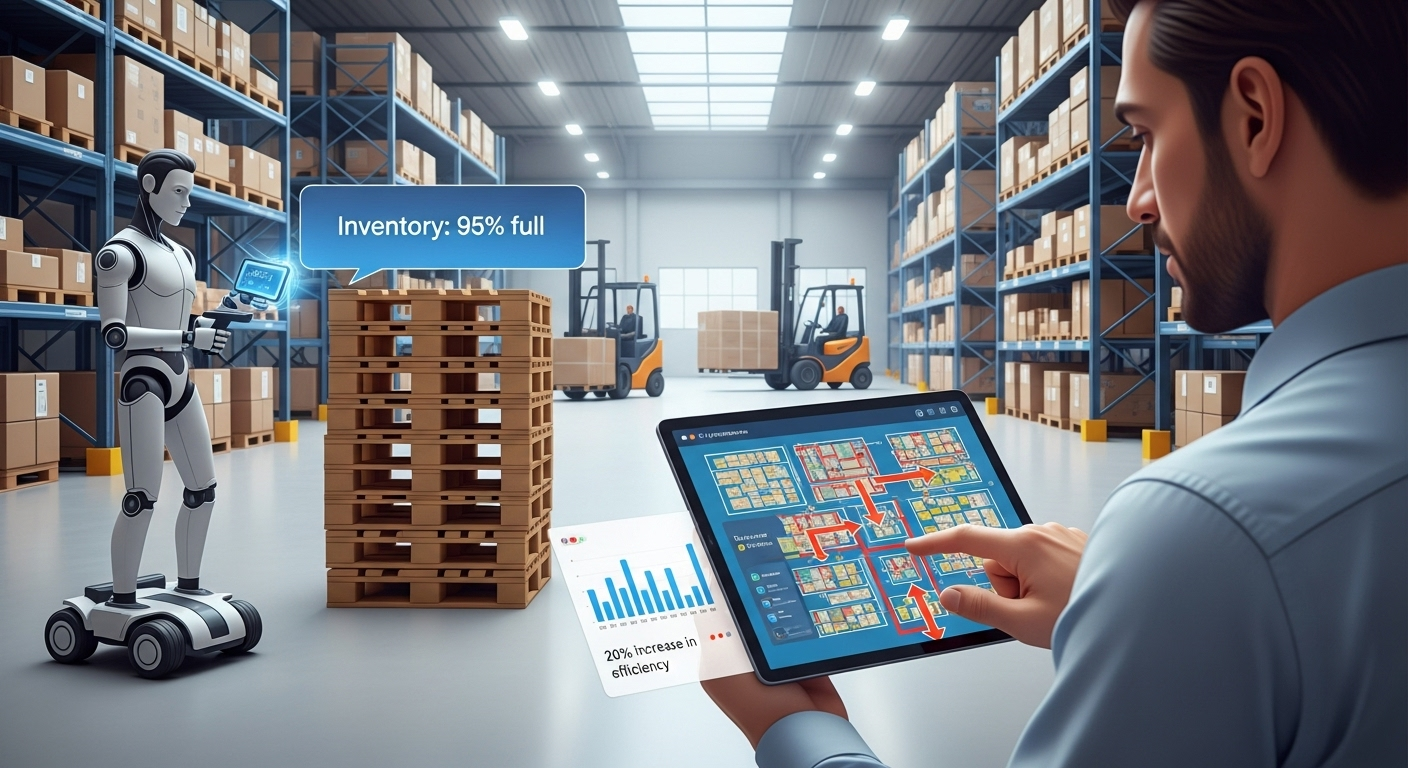
By leveraging Solvision’s state-of-the-art AI tools, businesses gain:
1. Up-to-the-Minute Inventory Visibility
Make informed restocking, allocation, and markdown decisions with accurate, real-time data.
2. Cost Reduction Across the Board
- Lower carrying costs: Cut excess inventory and optimize safety stock.
- Reduced labor: Automation reduces manual tasks, allowing staff to focus on value-added work.
- Fewer markdowns and write-offs: Sell more at full price.
3. Improved Customer Experience
Meeting customer demands quickly, every time, boosts loyalty and LTV.
4. Rapid ROI
Solvision’s clients typically see complete ROI within 6–12 months due to lowered costs and increased sales.
5. Scalability
The platform is designed to grow with you—from SMBs to global enterprises—adapting to new channels, geographies, and product lines seamlessly.
Implementation—How to Get Started with Solvision’s AI Inventory Tools
Implementing AI inventory optimization might sound complex—but Solvision ensures a smooth process:
Needs Assessment
Solvision’s consultants evaluate your current systems, pain points, and business objectives.
Seamless Integration
Their integration team connects Solvision’s cloud platform to your ERPs, POS, and warehouse systems—often in weeks, not months.
Initial Training & Change Management
Hands-on training for your teams ensures rapid adoption and minimal disruption.
Calibration and Customization
AI models calibrate based on your live historical data, refining forecasts and reordering logic for your unique business.
Activate Real-Time Monitoring and Optimization
Once up and running, your managers monitor and tweak parameters as needed, with Solvision support always available.
Continuous Improvement
As the system learns, it continues to improve accuracy and automation, offering suggestions for ongoing optimization.
Case Studies: Real-World Results with Solvision AI Tools
Case Study 1: Global Retailer Increases On-Shelf Availability by 30%
A multi-location apparel chain struggled with stockouts at popular urban stores even as rural outlets had excess stock. With Solvision’s predictive analytics and multi-channel integration, the retailer:
- Improved demand forecast accuracy by 50%.
- Reduced transfers between locations by 40%.
- Increased on-shelf availability during seasonal spikes by 30%.
Case Study 2: Electronics Distributor Reduces Carrying Costs by $2 Million
An electronics wholesaler was overstocking to avoid lost sales, leading to high carrying costs and frequent obsolescence. Solvision’s automated reordering system:
- Reduced carrying costs by $2 million in the first year.
- Achieved a 98% order fulfillment rate.
- Cut obsolete stock losses by 60%.
Case Study 3: E-Commerce Brand Enhances Customer Satisfaction
A fast-growing online brand implemented Solvision’s AI-powered demand sensing:
- Increased next-day delivery rates from 78% to 95%.
- Reduced late shipments by 80%.
- Noted a 15% increase in Net Promoter Score (NPS).
Conclusion and Future Prospects for AI in Inventory Management
The era of manual, reactive inventory management is fading fast. AI tools for real-time tracking and optimization—especially those pioneered by Solvision—are unlocking new levels of efficiency, profitability, and customer satisfaction in 2025.
As AI becomes even more sophisticated, expect these systems to manage not only stock levels but also automate negotiations with suppliers, dynamically price products in real-time, and anticipate supply chain disruptions before they occur. Solvision’s ongoing innovation ensures your inventory management will stay ahead of the curve.
If you’re ready to cut costs, boost efficiency, and delight customers—there’s never been a better time to adopt AI-powered real-time inventory tracking and optimization from Solvision.
Frequently Asked Questions (FAQs) about AI Inventory Tracking and Optimization
Q1: What unique advantages does AI offer over traditional inventory management software in 2025?
A: AI not only tracks inventory in real-time, it also learns from historical and real-time data to predict future demand, automate reordering, and adapt to changes instantly. Unlike rule-based systems, AI platforms like those from Solvision continuously improve, detect anomalies, and optimize processes for each specific business context.
Q2: Will Solvision’s AI inventory system integrate with my current ERP and POS solutions?
A: Absolutely. Solvision’s platform is designed for seamless integration, supporting a broad range of leading ERP, POS, and WMS systems via secure APIs. Their technical support works directly with your IT team to ensure data flows in both directions with minimal disruption.
Q3: Is AI-based inventory management suitable for small and midsize businesses?
A: Yes! AI is no longer just for global enterprises. Solvision offers scalable plans and cloud-based tools that let SMBs benefit from real-time tracking, demand forecasting, and automation—without the need for a huge IT department or up-front infrastructure investment.
Q4: How long does it take to see results after implementing Solvision’s AI platform?
A: Most clients observe improved inventory accuracy and reduction in manual errors within the first 30 days. Significant reductions in stockouts, overstocking, and carrying costs often occur within 3–6 months. The platform’s machine learning models keep optimizing performance over time.
Q5: What security measures does Solvision deploy to protect sensitive inventory and sales data?
A: Security is a top priority. Solvision uses robust, enterprise-grade encryption for data at rest and in transit, multifactor authentication, role-based access controls, and continuous security monitoring. Regular third-party audits ensure compliance with global standards like ISO 27001 and GDPR.