


Solvision AI Tools for Real-Time Inventory Tracking: Practical Sep 2025 Strategies Using Computer Vision, Predictive Reordering, Edge Sensors and Smart Alerts to Eliminate Stockouts and Reduce Waste

Managing inventory in real time isn’t just a competitive advantage—it’s now a necessity. As we roll into September 2025, digital transformation in supply chain management has moved from trendy buzzwords to operational essentials. At the forefront are Solvision AI Tools, leveraging computer vision, predictive reordering, edge sensors, and smart alerts to redefine how businesses track inventory, prevent stockouts, and minimize waste.
But what does “AI-powered real-time inventory tracking” actually look like in practice this year? And how can your business adopt these game-changing strategies for meaningful results?
Why Real-Time Inventory Tracking Matters More Than Ever
Let’s be honest: No retailer, manufacturer, or distributor wants to see empty shelves or expired stock. Stockouts frustrate customers, slash sales, and chip away at brand loyalty. On the flip side, overstocking ties up capital and leads to spoilage or obsolescence—especially for perishables or fast-moving goods.
What’s the solution? Real-time inventory management, supercharged by AI.
A decade ago, inventory checks were manual and periodic—leaving wide gaps for errors. Fast forward to September 2025, and Solvision AI Tools make it possible to:
- Instantly spot low-stock or misplaced items
- Receive predictive reordering suggestions before issues arise
- Monitor inventory with minimal human oversight
- Respond to critical inventory events in real time
The result: Stockouts are nearly eliminated. Waste? Slashed. Manual labor? Greatly reduced.
What Sets Solvision AI Tools Apart in 2025?
Solvision stands out by blending four cutting-edge technologies:
- Computer Vision
- Predictive Reordering
- Edge Sensors
- Smart Alerts
Let’s unpack each, with real-world strategies for September 2025.
1. Harnessing Computer Vision for Hyper-Accurate Stock Tracking
Remember when inventory meant scanning barcodes, counting boxes, and cross-referencing excel sheets? Time-consuming and error-prone.
In 2025, Solvision’s Computer Vision system uses strategically placed cameras—connected to AI software—to visually inspect shelves, bins, and pallets 24/7. Here’s how it works:
- Real-Time Video Feeds: Cameras capture continuous images of products.
- AI Detection: Solvision’s neural networks instantly recognize SKUs, count units, and detect misplaced or mislabeled items.
- Instant Updates: The system refreshes inventory counts instantly as products are moved, added, or sold.
Practical Strategies:
- Automate High-Turnover Zones: Use computer vision on fast-moving SKUs—think groceries, pharma, or electronics—to ensure zero gaps.
- Spot Human Errors: The system flags anomalies, like mis-shelved or double-picked items, saving hours of reconciliation later.
- Integrate with POS: AI automatically updates available stock when sales occur, preventing accidental overselling.
By September 2025, Solvision’s upgrade includes enhanced low-light vision and even item age tracking (crucial for perishables). Businesses using these systems see shrinkage rates drop by up to 60%, and inventory audits become nearly effortless.
2. Predictive Reordering: Staying Ahead of Demand
Smart inventory isn’t just about knowing what’s in your storeroom—it’s about forecasting what you’ll need next. That’s where Solvision’s Predictive Reordering comes to the rescue.
How It Works:
- Data Ingestion: Pulls sales trends, seasonal spikes, historical purchasing, and even external data like weather forecasts.
- AI Modeling: Machine learning algorithms predict upcoming demand, factoring in promotions, holidays, and trending events.
- Automated Reorder Triggers: You set minimum thresholds; the system suggests or auto-initiates orders before you hit zero on your top sellers.
Practical September 2025 Strategies:
- Customizable Lead Times: The new update allows different suppliers and items to have personalized reorder points—critical for global supply chains with varying logistics.
- Dynamic Adjustment: If a vendor’s delivery time slips or demand rises unexpectedly, Solvision auto-recalculates order timing.
- Seamless Supplier Integration: Place orders directly with vendors via API integrations—reducing lag and eliminating manual double entry.
By using Solvision’s predictive reordering, retailers and manufacturers report cutting emergency last-minute orders by 75% and slashing stockouts in half.
3. Edge Sensors: Smarter, Quicker, More Reliable Inventory Insights
It’s not only about cameras and data—it’s also about physical reality. In 2025, Edge Sensors are micro-devices embedded on shelves, bins, pallets, or even individual products.
What They Do:
- Detect Movement & Weight: Sensors feel when items are picked, restocked, or shifted.
- Sync Data Instantly: Edge sensors transmit their readings wirelessly, often over a local network or directly to the cloud.
- Operate Offline: If there’s a network blip, these “mini-brains” keep working, updating the main server when connectivity’s restored.
Practical Strategies for 2025:
- Perishable Goods: Sensors track temperature, humidity, and even expiration status—nothing gets missed.
- Warehouse Automation: Combine Solvision edge sensors with robots for self-replenishing shelves.
- Loss Prevention: Edge-based alerts signal when unscheduled movement happens—deter theft or misplacement instantly.
Edge sensors’ battery lives have improved in the latest Solvision models, and integration is now possible through simple peel-and-stick application, making retrofitting old infrastructure a breeze.
4. Smart Alerts: Real-Time Action, Not Just Information
Having all this data is great—but it’s only useful if you act on it. Solvision closes the loop with Smart Alerts: AI-powered notifications sent to the right person, at the right time, on the right device.
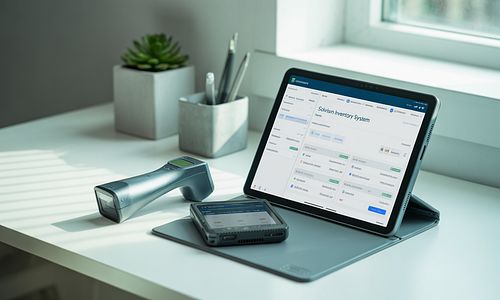
What’s New in September 2025:
- Context-Aware Notifications: No more endless pings. Alerts are prioritized by impact, urgency, and user role (store manager, warehouse operator, or supply chain head).
- Visual & Voice Alerts: Alerts come with annotated images or brief audio explanations, making them harder to miss or misinterpret.
- Customizable Workflows: Trigger custom actions—from flagging an audit to auto-blocking sales for out-of-stock items, or escalating issues up the chain.
Use Cases:
- Immediate Restock: When a shelf is empty, a worker in the relevant aisle gets pinged with location and image.
- Expiry Management: Get a nudge a week before products are due to expire so they can be discounted or removed.
- Proactive Loss Prevention: Catch unusual inventory movement in real time, rather than discovering shrinkage at month’s end.
Real World: How Companies Use Solvision AI Tools in 2025
The best way to appreciate Solvision’s impact is to see it in action. Here are a couple of industry examples:
1. Grocery Chains
A leading European grocery chain (let’s call it FreshMart) adopted Solvision in early 2025.
- Problem: Frequent stockouts of dairy and produce, leading to €3M in annual missed sales and high spoilage rates.
- Solution: Cameras and edge sensors throughout their back rooms and shelves; predictive reordering was tailored to each SKU.
- Results: Stockouts dropped by 82%, spoilage fell by 45%, and inventory management labor hours were cut in half.
2. Electronics Retail
A fast-growing tech retailer relied on manual cycle counts for inventory of high-value gadgets.
- Switch to Solvision: They used computer vision to count devices and edge sensors for security (to spot when devices moved without sale).
- Impact: Shrinkage dropped from 3% to less than 1%, and real-time alerts led to faster restocking of bestsellers before they left customers disappointed.
3. Cold-Chain Pharma Distributor
For pharmaceuticals, inventory accuracy and expiry management is vital.
- Solvision Implementation: Edge sensors tracked temperature and humidity, while predictive reordering ensured critical medicines were always in stock.
- Outcome: Near-zero stockouts for urgent meds and no expired stock shipped to hospitals, protecting both patients and brand reputation.
Practical Steps to Implement Solvision AI Tools in Your Organization
It’s easier than you might think to bring Solvision’s suite into your operation:
1. Audit Your Current Inventory Process:
Identify your most error-prone areas and high-value SKUs.
2. Choose Pilot Locations:
Focus on high-turnover or high-loss zones for your first deployment.
3. Set Clear KPIs:
What does success look like—a drop in stockouts, less waste, reduced labor costs? Get everyone on the same page.
4. Integrate Solvision’s Suite:
- Deploy cameras and sensors, starting with the most critical products.
- Connect to your ERP or POS system.
- Train staff briefly on responding to real-time alerts.
5. Review and Iterate:
Check dashboard insights, adjust thresholds, and fine-tune ordering rules monthly.
6. Scale Across Locations:
Once you see clear ROI, roll out to additional stores or warehouses. Solvision’s hardware is modular, making expansion painless.
Key Benefits for September 2025 and Beyond
- Inventory Precision: Know exactly what you have, where, and how old it is—without lifting a finger.
- Fewer Stockouts: Serve every customer, every time, with proactive ordering.
- Dramatically Reduced Waste: Track expiry, moisture, and spoilage at the edge for less loss.
- Better Use of Staff: Free your people from endless counts and clerical work.
- Fast ROI: Most businesses see payback in less than a year thanks to lower labor, better sales, and reduced losses.
Looking Forward: The Future of AI Inventory Tracking
Solvision isn’t standing still. The roadmap for late 2025 and beyond includes:
- Greater Interoperability: Plug-and-play with more third-party hardware and software.
- Self-Optimizing Algorithms: AI learns your specific business patterns and gets smarter over time.
- Deeper Analytics: Visual heatmaps, shrinkage pattern analysis, and even customer traffic data integration.
- Voice Command Integration: Manage inventory checks with simple spoken commands.
For businesses ready to stay ahead in the fast-shifting landscape of 2025, there’s simply no going back to old-school inventory management. Solvision AI Tools offer a practical, actionable path to streamlined, waste-free, customer-centric operations.
FAQs: Solvision AI Tools for Real-Time Inventory Tracking
1. What types of businesses benefit most from Solvision AI Tools?
Solvision’s tools fit any business that needs precise inventory management—from supermarkets and electronics outlets to warehouses, pharma distributors, and even e-commerce micro-fulfillment centers. If you sell products, especially fast-moving or perishable goods, Solvision can save time and money.
2. How do edge sensors and computer vision work together?
Edge sensors track movement, weight, and environmental factors (like temperature), while computer vision “sees” what’s on your shelves. Together, they provide a cross-checked, highly accurate inventory picture—physical measurements backed by visual confirmation.
3. Is it difficult or expensive to retrofit Solvision into existing stores or warehouses?
Not at all. Solvision is designed for modular, step-by-step rollouts. Edge sensors stick onto shelves, and cameras don’t require invasive installation. Plus, integrations with popular ERP and POS platforms keep disruptions minimal. Costs pay for themselves quickly through reduced losses and labor.
4. How secure is the data collected by Solvision’s AI tools?
Solvision follows top-tier security standards, encrypting all inventory and video data. In 2025, GDPR and other compliance certifications are standard. Only authorized users see sensitive information, with full audit trails for traceability.
5. What kind of support and upgrades can users expect from Solvision?
Solvision offers round-the-clock support, regular cloud-based software updates, and a growing library of best-practice guides. In September 2025, new features are rolling out—like voice notifications and more powerful predictive models—to keep customers ahead of the curve.