


Mastering Invoice Integration with Solvision: Your June 2025 Guide

In today’s rapidly evolving business landscape, mastering invoice integration has become a critical success factor for organizations of all sizes. As we navigate through June 2025, businesses are increasingly recognizing the transformative power of seamless invoice integration systems. This comprehensive guide explores how Solvision, the leading invoicing and payments software, is revolutionizing the way companies handle their financial processes through advanced integration capabilities.
Invoice integration represents far more than simple automation—it’s about creating a unified ecosystem where financial data flows seamlessly between systems, reducing errors, improving efficiency, and providing real-time insights that drive business decisions. Whether you’re a small business owner struggling with manual invoice processing or a large enterprise seeking to optimize your accounts payable workflow, understanding and implementing effective invoice integration strategies can significantly impact your bottom line.
Key Takeaways from This Guide:
- Understanding the fundamentals of modern invoice integration and its business impact
- Exploring Solvision’s comprehensive suite of integration tools and features
- Learning best practices for implementing seamless invoice workflows
- Discovering how to overcome common integration challenges
- Maximizing ROI through strategic invoice automation and integration
- Future-proofing your business with scalable invoicing solutions
Understanding Invoice Integration in the Modern Business Environment
Invoice integration has evolved dramatically from the days of manual data entry and paper-based processes. In June 2025, successful businesses are leveraging sophisticated integration platforms that connect their invoicing systems with accounting software, CRM platforms, inventory management systems, and payment processors. This interconnected approach eliminates data silos and creates a unified view of financial operations.
The foundation of effective invoice integration lies in understanding how different business systems communicate and share data. Modern integration platforms utilize APIs (Application Programming Interfaces) to facilitate real-time data exchange, ensuring that invoice information is automatically synchronized across all relevant systems. This synchronization eliminates the need for manual data entry, reduces errors, and provides instant visibility into invoice status and payment information.
The Business Case for Invoice Integration
Organizations implementing comprehensive invoice integration strategies report significant improvements in operational efficiency, cost reduction, and cash flow management. Studies conducted in early 2025 indicate that businesses utilizing integrated invoicing solutions experience up to 60% reduction in processing time and 40% fewer data entry errors compared to traditional manual processes.
| Business Benefit | Before Integration | After Integration | Improvement Percentage |
|---|---|---|---|
| Invoice Processing Time | 3-5 days | 1-2 hours | 85% reduction |
| Data Entry Errors | 15-20 per 100 invoices | 2-3 per 100 invoices | 85% reduction |
| Payment Processing Speed | 7-14 days | 1-3 days | 70% improvement |
| Administrative Costs | \$25 per invoice | \$8 per invoice | 68% reduction |
Solvision’s Comprehensive Integration Ecosystem
Solvision’s platform stands at the forefront of invoice integration technology, offering a comprehensive suite of tools designed to streamline every aspect of the invoicing process. The platform’s architecture is built on modern cloud-based infrastructure, ensuring scalability, security, and reliability for businesses of all sizes.
The core strength of Solvision’s integration capabilities lies in its ability to connect seamlessly with over 200 popular business applications, including major accounting software like QuickBooks, Xero, and Sage, as well as CRM systems such as Salesforce and HubSpot. This extensive connectivity ensures that businesses can maintain their existing software ecosystem while adding powerful invoicing automation capabilities.
Core Integration Features
Solvision’s integration platform encompasses several key components that work together to create a seamless invoicing experience. The quote and estimate creator allows businesses to generate professional quotes that can be seamlessly converted to invoices with a single click, maintaining data consistency throughout the sales-to-cash process.
The platform’s advanced time tracking tool integrates directly with project management systems, automatically capturing billable hours and converting them into accurate invoices. This integration eliminates the need for manual time entry and ensures that all billable work is properly documented and invoiced.
Implementing Strategic Invoice Processing Solutions
Successful invoice integration requires a strategic approach that considers both current business needs and future growth plans. Solvision’s invoice processing solutions are designed with scalability in mind, allowing businesses to start with basic integration features and expand their capabilities as their needs evolve.
The implementation process begins with a comprehensive assessment of existing business processes and systems. This assessment identifies integration points, data flow requirements, and potential challenges that may arise during the integration process. Solvision’s team of integration specialists works closely with clients to develop customized integration strategies that align with their specific business objectives.
| Integration Phase | Duration | Key Activities | Success Metrics |
|---|---|---|---|
| Assessment & Planning | 1-2 weeks | System analysis, requirement gathering, integration mapping | Complete system inventory, defined integration requirements |
| Configuration & Setup | 2-3 weeks | API connections, data mapping, workflow configuration | Successful API connections, validated data flows |
| Testing & Validation | 1-2 weeks | End-to-end testing, error handling, performance optimization | Zero critical errors, acceptable performance benchmarks |
| Deployment & Training | 1 week | Go-live activities, user training, support setup | Successful deployment, trained users, operational support |
Automated Payment Processing and Collections
One of the most valuable aspects of Solvision’s integration platform is its automated payment processing and collections capabilities. The payment reminders system automatically sends customized reminders for overdue invoices, reducing the administrative burden on accounts receivable teams while improving collection rates.
The platform’s dunning management tool takes automation even further by implementing sophisticated collection workflows that escalate based on predefined criteria. This systematic approach to collections management helps businesses maintain positive customer relationships while ensuring timely payment collection.
Maximizing Invoice Accuracy Through Integration
Achieving and maintaining invoice accuracy is crucial for business success, as errors can lead to payment delays, customer disputes, and damaged relationships. Solvision’s integration platform incorporates multiple layers of validation and verification to ensure that invoice data is accurate and complete before being sent to customers.
The platform’s intelligent data validation system automatically checks invoice information against predefined business rules and existing customer data. This validation process identifies potential errors, missing information, or inconsistencies before invoices are generated, significantly reducing the likelihood of disputes or payment delays.
Real-Time Invoice Tracking and Monitoring
Effective invoice management requires real-time visibility into invoice status and payment information. Solvision’s invoice tracking system provides comprehensive monitoring capabilities that allow businesses to track invoice status from creation through payment completion.
The tracking system integrates with email delivery services to provide read receipts and delivery confirmations, giving businesses insight into when invoices are received and viewed by customers. This information is valuable for following up on overdue payments and understanding customer behavior patterns.
| Invoice Status | Tracking Capabilities | Automated Actions | Business Benefits |
|---|---|---|---|
| Draft | Creation timestamp, approval workflow | Approval notifications, validation checks | Quality control, workflow management |
| Sent | Delivery confirmation, email open tracking | Delivery notifications, read receipts | Confirmation of receipt, communication tracking |
| Viewed | View timestamp, frequency tracking | View notifications, follow-up scheduling | Customer engagement insights, follow-up timing |
| Overdue | Days overdue, escalation level | Automated reminders, escalation workflows | Improved collections, reduced DSO |
Embracing Paperless Invoicing for Environmental and Operational Benefits
The transition to paperless invoicing represents a significant opportunity for businesses to reduce costs, improve efficiency, and demonstrate environmental responsibility. Solvision’s platform is designed to support completely paperless invoicing workflows, from invoice creation through payment processing and archival.

Paperless invoicing offers numerous advantages beyond environmental benefits, including reduced printing and mailing costs, faster delivery times, improved security, and better document organization. The digital format also enables advanced features such as interactive payment buttons, automated reminders, and detailed tracking capabilities that are not possible with traditional paper invoices.
Digital Document Management and Archival
Effective digital document management is essential for maintaining organized records and ensuring compliance with regulatory requirements. Solvision’s platform includes comprehensive document management capabilities that automatically organize and archive all invoice-related documents, making them easily searchable and accessible when needed.
The document management system integrates with popular cloud storage platforms such as Google Drive, Dropbox, and Microsoft OneDrive, allowing businesses to maintain their existing file organization structures while benefiting from automated document archival and backup capabilities.
Industry-Specific Integration Solutions
Different industries have unique invoicing requirements and regulatory compliance needs. Solvision’s platform is designed to accommodate these diverse requirements through industry-specific integration solutions and customizable workflows. Whether you’re in professional services, manufacturing, healthcare, or retail, the platform can be configured to meet your specific needs.
For professional services firms, the platform integrates with time tracking and project management systems to automatically generate invoices based on billable hours and project milestones. Manufacturing companies benefit from integration with inventory management systems that automatically update stock levels and costs when invoices are processed.
| Industry | Key Integration Points | Specific Features | Compliance Requirements |
|---|---|---|---|
| Professional Services | Time tracking, project management, CRM | Billable hours tracking, milestone billing | Revenue recognition, audit trails |
| Manufacturing | ERP systems, inventory management | Material costs, production scheduling | Product liability, quality standards |
| Healthcare | Practice management, insurance systems | Insurance billing, patient records | HIPAA compliance, patient privacy |
| Retail | POS systems, e-commerce platforms | Multi-channel sales, inventory sync | Tax compliance, consumer protection |
Advanced Analytics and Reporting Capabilities
Modern invoice integration platforms must provide comprehensive analytics and reporting capabilities to help businesses make informed decisions. Solvision’s platform includes advanced analytics tools that provide insights into invoice performance, payment patterns, customer behavior, and financial trends.
The analytics dashboard presents key performance indicators (KPIs) such as average payment time, collection rates, invoice accuracy metrics, and customer payment behavior. These insights enable businesses to identify areas for improvement, optimize their invoicing processes, and make data-driven decisions about credit policies and customer relationships.
Predictive Analytics for Cash Flow Management
One of the most valuable features of Solvision’s analytics platform is its predictive analytics capabilities for cash flow management. By analyzing historical payment patterns, customer behavior, and market trends, the system can provide accurate forecasts of expected cash flow, helping businesses plan their operations and make informed financial decisions.
The predictive analytics engine considers multiple factors including customer payment history, invoice amounts, seasonal patterns, and economic indicators to generate reliable cash flow projections. This information is particularly valuable for businesses with seasonal fluctuations or long payment cycles.
Security and Compliance in Invoice Integration
Security and compliance are paramount concerns when implementing invoice integration systems, especially given the sensitive financial data involved. Solvision’s platform incorporates enterprise-grade security measures and compliance frameworks to protect sensitive information and ensure regulatory adherence across all integration points.
The platform utilizes advanced encryption protocols for data transmission and storage, multi-factor authentication for user access, and comprehensive audit trails for all system activities. These security measures ensure that invoice data remains protected throughout the integration process, from initial creation through final payment and archival.
Regulatory Compliance and Data Protection
Businesses operating in regulated industries must ensure that their invoice integration systems comply with relevant regulations such as GDPR, SOX, and industry-specific requirements. Solvision’s platform is designed with compliance in mind, incorporating features such as data retention policies, user access controls, and automated compliance reporting.
The platform’s compliance framework includes regular security assessments, penetration testing, and third-party audits to ensure ongoing adherence to security standards and regulatory requirements. This comprehensive approach to compliance helps businesses mitigate risks and maintain customer trust while leveraging advanced integration capabilities.

Mobile Integration and Remote Access Capabilities
In today’s mobile-first business environment, invoice integration platforms must support remote access and mobile functionality. Solvision’s platform includes comprehensive mobile applications that allow users to create, send, and manage invoices from anywhere, ensuring business continuity regardless of location.
The mobile applications maintain full integration capabilities with backend systems, ensuring that invoice data remains synchronized across all devices and platforms. This mobile accessibility is particularly valuable for field service businesses, sales teams, and remote workers who need to generate invoices while away from the office.
Integration with Emerging Technologies
As we progress through 2025, emerging technologies such as artificial intelligence, machine learning, and blockchain are beginning to impact invoice processing and integration. Solvision is at the forefront of incorporating these technologies into its platform to provide enhanced functionality and future-proof solutions.
The platform’s AI-powered features include intelligent data extraction from various document formats, automated categorization of expenses, and predictive analytics for payment behavior. Machine learning algorithms continuously improve the accuracy of these features by learning from user interactions and historical data patterns.
Blockchain Integration for Enhanced Security
Blockchain technology offers unique advantages for invoice processing, including immutable transaction records, enhanced security, and improved transparency. Solvision is exploring blockchain integration to provide customers with additional security and verification capabilities for high-value or sensitive transactions.
The blockchain integration would create an unchangeable record of invoice transactions, providing enhanced audit trails and dispute resolution capabilities. This technology is particularly valuable for businesses operating in industries with strict compliance requirements or those dealing with complex supply chain transactions.
Scaling Your Invoice Integration Strategy
Successful invoice integration requires a scalable approach that can grow with your business. Solvision’s platform is designed to support businesses from small startups to large enterprises, with flexible pricing models and feature sets that can be customized to meet evolving needs.
The scalability of the platform extends beyond simple user count increases to include advanced features such as multi-entity support, complex approval workflows, and integration with enterprise resource planning (ERP) systems. This scalability ensures that businesses can continue using the platform as they grow without needing to migrate to different solutions.
| Business Size | Typical Invoice Volume | Recommended Features | Integration Complexity |
|---|---|---|---|
| Small Business (1-10 employees) | 50-200 invoices/month | Basic automation, payment processing | Simple API connections, standard templates |
| Medium Business (11-100 employees) | 200-1000 invoices/month | Advanced workflows, multi-user access | CRM integration, custom fields |
| Large Enterprise (100+ employees) | 1000+ invoices/month | ERP integration, compliance reporting | Complex workflows, multi-entity support |
| Enterprise Plus | 10,000+ invoices/month | Custom development, dedicated support | Full API customization, white-label options |
Best Practices for Invoice Integration Success
Implementing successful invoice integration requires adherence to proven best practices that maximize efficiency while minimizing risks. Based on extensive experience with businesses across various industries, several key practices have emerged as critical success factors.
First and foremost, businesses should conduct thorough planning and stakeholder engagement before beginning integration implementation. This includes identifying all systems that will be involved in the integration, understanding data flow requirements, and establishing clear success metrics. Engaging all relevant stakeholders, including IT, finance, and operations teams, ensures that integration solutions meet the needs of all users.
Data Quality and Standardization
Maintaining high data quality is essential for successful invoice integration. This includes establishing standardized data formats, implementing validation rules, and conducting regular data quality audits. Poor data quality can undermine the benefits of integration by creating errors, delays, and customer dissatisfaction.
Solvision’s platform includes comprehensive data validation and standardization tools that help businesses maintain data quality throughout the integration process. These tools automatically identify and flag potential data quality issues, allowing businesses to address problems before they impact customer relationships or business operations.
Support and Training for Integration Success
Effective support and training programs are essential for maximizing the benefits of invoice integration implementations. Users need comprehensive training on new processes and systems, while IT teams require technical support for integration maintenance and troubleshooting.
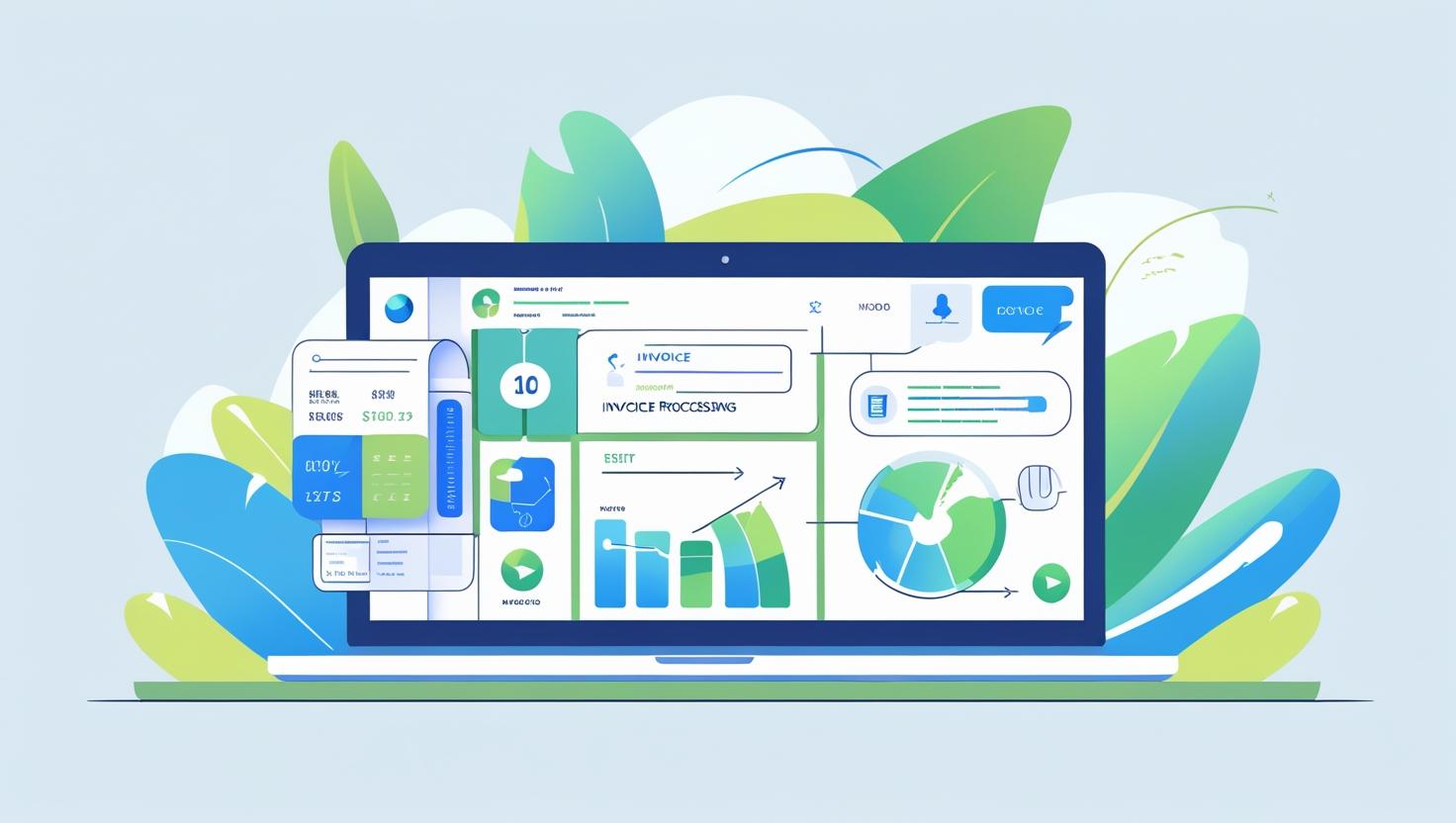
Solvision provides extensive support resources including online training materials, video tutorials, documentation, and direct technical support. The platform also includes built-in help features and guided workflows that help users navigate complex integration processes and resolve issues quickly.
Building Internal Expertise
While vendor support is valuable, businesses should also focus on building internal expertise in invoice integration and related technologies. This includes training existing staff on integration principles, hiring specialists with relevant experience, and staying current with industry trends and best practices.
Internal expertise enables businesses to make informed decisions about integration strategies, troubleshoot issues more effectively, and optimize their systems for maximum performance. It also reduces dependence on external vendors and provides greater flexibility in adapting to changing business requirements.
Conclusion
Mastering invoice integration with Solvision represents a transformative opportunity for businesses to streamline their financial processes, improve accuracy, and enhance customer relationships. As we’ve explored throughout this comprehensive guide, successful integration requires careful planning, strategic implementation, and ongoing optimization to maximize benefits and ensure long-term success.
The benefits of effective invoice integration extend far beyond simple automation, encompassing improved cash flow management, reduced operational costs, enhanced customer satisfaction, and better business decision-making capabilities. Solvision’s position as the best free invoice app for small businesses and freelancers demonstrates its commitment to providing accessible, powerful solutions for organizations of all sizes.
As businesses continue to navigate the complexities of the modern marketplace, those that embrace comprehensive invoice integration strategies will be better positioned to achieve sustainable growth and competitive advantage. The key to success lies in choosing the right integration platform, implementing proven best practices, and maintaining a commitment to continuous improvement and optimization.
Whether you’re just beginning your invoice integration journey or looking to optimize existing systems, Solvision provides the tools, expertise, and support necessary to achieve your goals. The platform’s comprehensive feature set, robust integration capabilities, and commitment to innovation make it an ideal choice for businesses seeking to master invoice integration in 2025 and beyond.
We encourage you to explore Solvision’s capabilities and discover how effective invoice integration can transform your business operations. With the right approach and tools, you can unlock the full potential of automated invoice processing and position your organization for continued success in an increasingly competitive marketplace.
Frequently Asked Questions (FAQs)
1. What is invoice integration and why is it important for businesses?
Invoice integration refers to the seamless connection between invoicing systems and other business software platforms. It’s crucial for businesses because it automates data transfer, reduces manual errors, improves efficiency, and provides real-time financial insights across multiple systems.
2. How secure is Solvision’s invoice integration platform?
Solvision employs enterprise-grade security measures including multi-factor authentication, end-to-end encryption, comprehensive audit trails, and regular security assessments. The platform complies with international data protection regulations like GDPR, ensuring your financial data remains completely protected throughout the integration process.
3. Can Solvision’s platform integrate with my existing business software?
Yes, Solvision’s platform supports integration with over 200 popular business applications, including accounting software like QuickBooks and Xero, CRM systems such as Salesforce, and various ERP platforms. The flexible API architecture allows for custom integrations tailored to your specific business needs.
4. What industries can benefit from Solvision’s invoice integration?
Solvision’s platform is designed to support multiple industries, including professional services, manufacturing, healthcare, retail, technology, and nonprofit sectors. The customizable workflows and industry-specific features ensure that each business can optimize its invoicing processes according to unique requirements.
5. How quickly can my business implement Solvision’s invoice integration?
The implementation timeline typically ranges from 4-8 weeks, depending on the complexity of your existing systems and specific business requirements. Solvision provides dedicated integration specialists who work closely with your team to ensure a smooth, efficient onboarding process with minimal disruption to your current operations.
Ready to transform your invoice management? Visit Solvision today and start your integration journey!
Connect with Solvision:
Facebook | Customer Support | Privacy Policy
WHY CHOOSE OUR TEAM SOLVISION – THE INVOICING SOFTWARE? |
CONTACT INFORMATION |
|---|---|
|
|